
TL;DR
- Frequency depends on the balance of active power and is managed across the whole grid.
- Voltage depends on the balance of reactive power and is managed locally.
- TSOs and DSOs increasingly buy flexibility in both to keep grids stable.
Have you ever caught yourself in a conversation where "reactive power" gets thrown around like confetti, and you're just pretending to keep up? This post sets out the essential concepts, so next time you can tag along with confidence.
Let's start with the basics
The quality of electrical power depends on two things: voltage and frequency. Disruptions in either one hurt reliability.
Frequency
The grid's frequency does not stay at exactly 50 Hertz. It rises when supply exceeds demand, and falls when demand exceeds supply. Deviations beyond safety thresholds can damage household appliances; your fridge might simply stop working. That's why network operators are responsible for keeping frequency in check.
Voltage
Frequency is the same across the whole grid, so it is relatively simple to manage. Voltage is local. You can have 230 Volts in your street while the neighbouring town sits at a different level. High voltage drives higher currents that damage equipment; low voltage means underperforming machines and failing electronics.
- Active power: the power that does useful work, measured in watts (W).
- Reactive power: power that does no useful work for the appliance, but is needed to keep voltage at the expected level and let active power flow, measured in volt-ampere reactive (VAR).
- Apparent power: the combination of both, the energy our grids actually transport, measured in volt-amperes (VA).
- Power factor: the ratio of active to apparent power, often called cos(φ), between 0 and 1. A value of 1 means no reactive power.

Imagine rowing a boat. The force pushing the boat forward is active power. The constant small corrections you make to stay on course against the current don't move you forward, but the journey fails without them. That is reactive power.
Like upstream and downstream currents, reactive power comes in two directions, capacitive and inductive, and the two can cancel each other out. Reactive power also has to be transmitted, which adds losses on the lines and leaves less room for active power. Because it is tied to voltage, balancing it is a local grid service; frequency and inertia are global ones.
Stable grids without power control is a fairytale
Active and reactive power are central to grid stability, which is why grid operators talk about them constantly. Transmission system operators (TSOs) like Elia run the high voltage grid and frequency control. Distribution system operators (DSOs) like Fluvius run the low and medium voltage grids, and local voltage control.
TSOs use ancillary services that activate active and reactive energy flexibly, also called demand side flexibility. These services are often lucrative, but not equally accessible everywhere.
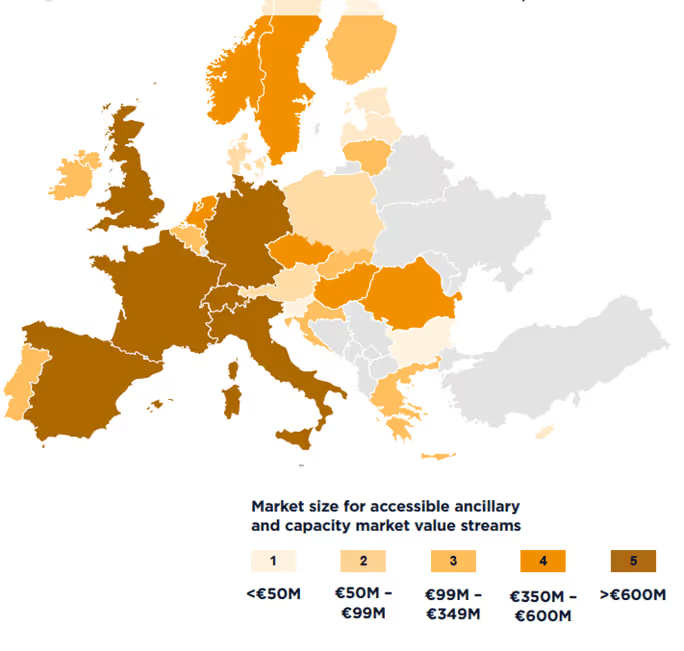
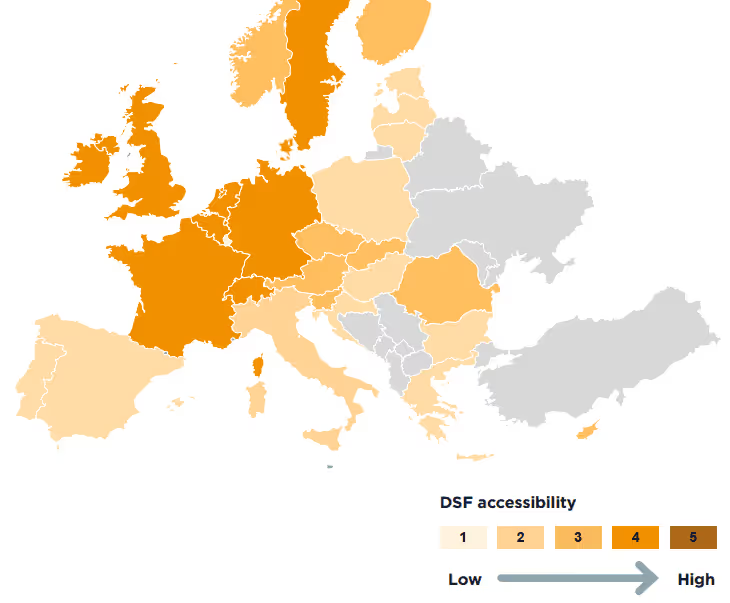
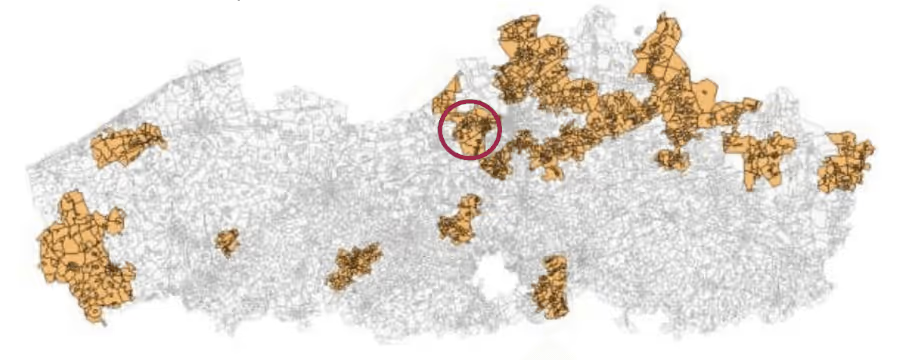
DSOs are doing the same. Fluvius is experimenting with a platform that activates both active and reactive power to relieve peaks and congestion, and Elia is building a tool to anticipate voltage needs on the high voltage grid.
Final words, with a touch of Latin
Reactive power is the sine qua non of voltage regulation and the smooth flow of active power. Active power fuels our daily needs; reactive power keeps the system balanced and efficient. Managed by TSOs and DSOs through ancillary services, that balance is what lets more renewables and more demand side flexibility onto the grid.
At Powernaut we use the flexibility of active and reactive energy in homes and low voltage installations to help stabilise voltage and frequency, and to give consumers a real role in the energy system.