Virtual Power Plant (VPP)
Virtual Power Plant (VPP)

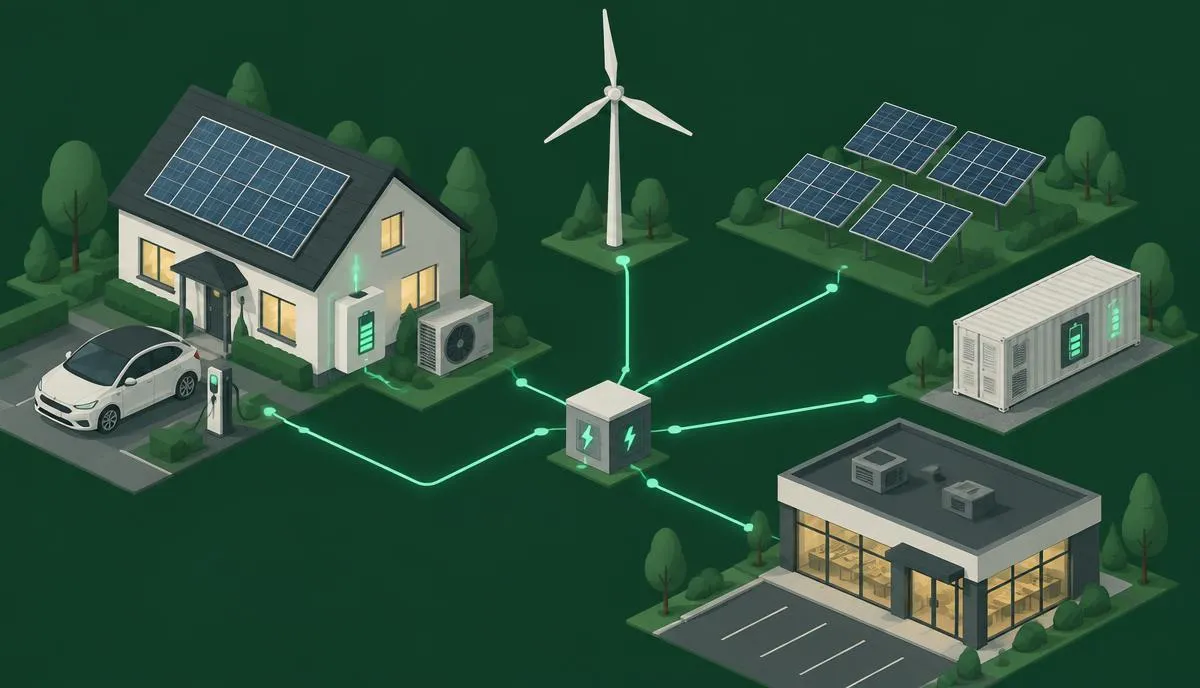
A VPP is software that connects, and controls many customer owned flexible assets and runs them as one power plant. There is no physical building. The combined pool can trade on markets that no single asset could enter.
What are the benefits of a virtual power plant?+
Small assets gain access to markets they cannot reach alone, owners earn extra revenue, and grid operators get flexibility to manage congestion and balance renewables.
What revenue streams does a VPP unlock?+
Day ahead and intraday trading, imbalance optimisation, balancing services (FCR, aFRR, mFRR) and local congestion markets. Payment comes in two forms: capacity remuneration for staying available, and activation remuneration for energy delivered.
How do energy retailers benefit from a VPP?+
Retailers balance their customer portfolio up to delivery, which lowers imbalance costs. They can also enter new markets with the same assets from one platform.
What is the difference between a VPP and a traditional power plant?+
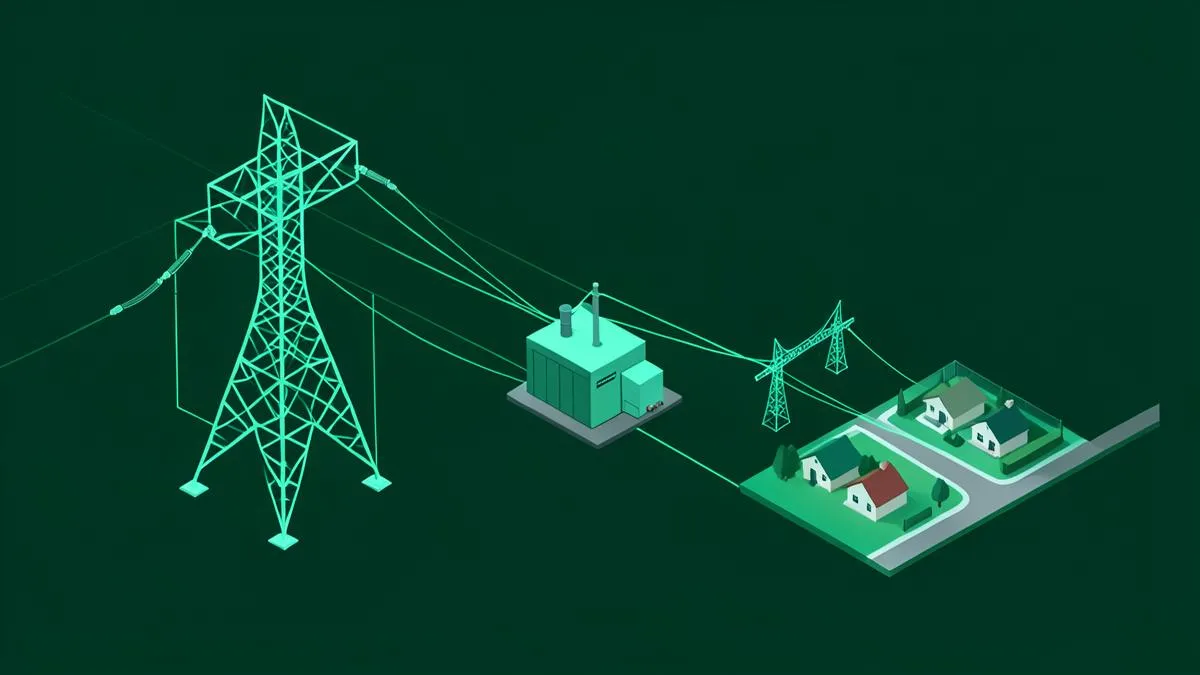
A traditional power plant is a centralised, physical facility (coal, gas) with stable, constant, controllable power output. A VPP is not a physical building but a software platform that connects thousands of decentralised Distributed Energy Resources. Traditional plants are few and large, VPPs aggregate many small assets. The VPP manages volatile, weather-dependent renewable output through smart coordination, where traditional plants relied on dispatchable fossil fuel generation.