Energy Flexibility
Energy Flexibility
Energy flexibility is the capacity of an energy asset to adjust its energy consumption or production to adapt to changes in supply or demand, maintaining the same level of service. In the energy sector, this adaptability is key to maintaining grid stability and efficiency, especially with the growing integration of renewable energy sources. The old energy system was simple: a few massive, predictable fossil fuel plants pushed power one way to consumers. The new system is decentralized, dominated by intermittent renewables (wind and solar), making real-time balance extremely difficult. Energy flexibility and smart, coordinated control are the solution. Demand-Side Flexibility (DSF) refers specifically to the flexibility from consumers on the grid, instead of the generation side.
Why does energy flexibility matter for the energy transition?
Energy flexibility is essential for maintaining grid stability and efficiency as more renewable energy sources are integrated. The grid frequency needs to stay stable at 50Hz for the system to stay up and running, and production and consumption must remain balanced. Flexibility allows the system to respond to fluctuations from intermittent sources like wind and solar.
What are the different types of energy flexibility?
There are two main categorizations.
By direction: upwards flexibility (reducing consumption or increasing production when there is too little energy on the grid) and downwards flexibility (increasing consumption or decreasing production when there is too much).
By participation type: explicit flexibility involves direct, active participation in the market by consumers or aggregators with financial rewards, while implicit flexibility refers to passive responses to price signals through dynamic tariffs.
How is energy flexibility traded in European markets?
Flexibility is traded across several market types: the Day-Ahead market (blind auction closing at 12:00 CET, 15-minute blocks), the Intraday market (continuous 24h trading up to 5 minutes before delivery), the Imbalance market (real-time balancing operated by TSOs like Elia), and ancillary service markets (FCR, aFRR, mFRR). Power exchanges like EPEX SPOT provide the trading platform, with transactions cleared and settled by ECC (European Commodity Clearing) with the help of TSOs.
What assets can provide energy flexibility?
Flexible resources include batteries, solar panels, electric vehicle charging points, and heat pumps. These are Distributed Energy Resources (DERs): small-scale energy resources usually situated near sites of electricity use, such as rooftop solar panels, heat pumps, e-boilers, and battery storage.
How do energy retailers monetize flexibility?
Energy retailers and suppliers can use a virtual power plant to optimise their customer portfolio's energy supply, matching supply with demand even at the last minute before delivery. By participating in markets like day-ahead, intraday, imbalance, and ancillary services, flexibility providers unlock new revenue streams while enhancing the efficiency and sustainability of the energy grid.
What are examples of energy flexibility in practice?
Upwards flexibility examples: using Vehicle-to-Grid (V2G) to inject from an EV back into the grid, activating a battery to inject, turning down a heat pump, or stopping/reducing EV charging.
Downwards flexibility examples: reducing or stopping solar injection (curtailment), starting or increasing battery charging, charging an EV, heating up a space by turning up a heat pump, or reducing self-consumption by taking from the grid instead of a battery.
How does energy flexibility reduce electricity costs?
Powernaut enhances smart steering capabilities by providing access to additional markets, resulting in more savings, a lower carbon footprint, and greater efficiency. By participating in flexibility markets, resources can earn revenue through capacity and activation remuneration while helping avoid costly grid imbalances.
Energy Flexibility
Upwards Flexibility
Upward flexibility is required when there is too little energy on the grid. This can happen because of a spike in consumption (such as simultaneous EV charging in a neighborhood) or a decrease in production (such as when there are more clouds than anticipated and solar panels produce less).
When is upwards flexibility activated?
Upwards flexibility is activated when there is too little energy on the grid, either from a spike in consumption or a decrease in production below anticipated levels.
Which assets can deliver upwards flexibility?
Upwards flexibility can be delivered by increasing production (e.g. using V2G to inject from an EV back into the grid, activating a battery to inject) or by decreasing consumption (e.g. turning down a heat pump, stopping or reducing charging of an EV or batteries).
Energy Flexibility
Downwards Flexibility
When there is too much energy on the grid, downward flexibility is requested. This can happen because of an increase in production (such as more wind or sun than anticipated) or less consumption than anticipated.
When is downwards flexibility needed?
Downwards flexibility is needed when there is too much energy on the grid, either from an unexpected increase in production or less consumption than anticipated.
Which assets can deliver downwards flexibility?
Downwards flexibility can be delivered by decreasing production (reducing or stopping injection/curtailment from batteries, solar panels, or EVs) or by increasing consumption (starting or increasing battery charging, charging an EV, heating up a space by turning up a heat pump, or reducing self-consumption by taking from the grid instead of a battery).
Energy Flexibility
Demand-Side Flexibility
Demand-Side Flexibility (DSF) refers specifically to the flexibility from consumers on the grid, instead of the generation side. It is the ability to adapt energy consumption patterns in response to grid demands or market signals. DSF can be either explicit (direct, active participation in the market by consumers or aggregators, typically by submitting bids and making commitments to shift consumption/production based on market signals) or implicit (passive responses to price signals, often through dynamic tariffs, where consumers adjust usage automatically based on real-time price changes without explicit market participation).
How do VPPs unlock demand-side flexibility?
A virtual power plant is a pool of several decentralised small- and medium-scale installations, either consuming or producing electricity. The combination of several types of flexible production and consumption units, controlled by a central intelligent system, allows valorizing the flexibility of the facilities at its best. This gives access to markets (reserve power and electricity markets) that cannot be entered by individual units.
Virtual Power Plant (VPP)
Virtual Power Plant (VPP)
A Virtual Power Plant (VPP) is not a physical building. It is a sophisticated, centralized software platform that securely connects, monitors, forecasts, and controls a portfolio of customer-owned flexible assets. The combination of several types of flexible production and consumption units, controlled by a central intelligent system, allows to valorize the flexibility of the facilities at its best. VPP is the structural solution that manages renewable volatility, turning a chaotic mix of small resources into a single, reliable entity capable of participating in high-value energy markets.
How does a virtual power plant work?
Open Virtual Power Plant as a service activates flexible energy from smart household, commercial and industrial installations such as batteries, electric vehicles, heat pumps, and solar panels. It bundles, forecasts, optimises, and controls energy portfolios with real-time intelligence, turning distributed assets into valuable assets for the trading desk.
What are the components of a VPP?
A VPP consists of distributed energy resources (batteries, EVs, heat pumps, solar panels), integrations with leading device manufacturers and independent EMS providers, a central control and optimization system, and connections to energy markets (day-ahead, intraday, imbalance, ancillary services).
Who uses virtual power plants?
Resource managers with direct access to grid resources (managing batteries, solar panels, EV charging points, heat pumps).
What revenue streams does a VPP unlock?
A VPP gives access to markets (reserve power and electricity markets) that cannot be entered by individual units of the portfolio. This includes day-ahead trading, intraday trading, imbalance market participation, and ancillary services (FCR, aFRR, mFRR). There are two types of remuneration: capacity remuneration (fee to keep capacity available) and activation remuneration (payment for delivered energy).
How do energy retailers benefit from a VPP?
Energy suppliers and utilities can use the VPP to optimise their customer portfolio's energy supply, matching supply with demand even at the last minute before delivery. The VPP helps energy retailers venture into new energy markets and explore untapped revenue streams from a single workspace.
What is a VPP-as-a-Service?
Powernaut's open Virtual Power Plant as a service provides a platform where energy retailers and power producers can connect and pool all their distributed energy resources (DERs) into a single point of control. It integrates seamlessly with existing trading desks and supports automated actions for portfolio steering and balancing.
What is the difference between a VPP and a traditional power plant?
A traditional power plant is a centralized, physical facility (coal, gas) with stable, constant, controllable power output. A VPP is not a physical building but a software platform that connects thousands of decentralized Distributed Energy Resources. Traditional plants are few and large; VPPs aggregate many small assets. The VPP manages volatile, weather-dependent renewable output through smart coordination, where traditional plants relied on dispatchable fossil fuel generation.
What are the benefits of a virtual power plant?
The aggregation of small-scale smart energy sources into a significant collective force is crucial for addressing network congestion and balancing energy markets, ultimately contributing to environmental sustainability. A VPP enables effective bundling of DERs, providing access to markets that individual units cannot enter alone.
Virtual Power Plant (VPP)
Energy Aggregator
An aggregator is a BSP (Balancing Service Provider) who combines several decentralised production and demand units in one portfolio. The aggregator can then operate the portfolio in a coordinated manner and deliver the same services as a large central power plant. This gives access to markets (reserve power and electricity markets) that cannot be entered by individual units of the portfolio. Powernaut acts as a BSP/Aggregator, offering system services to the TSO while supporting overall grid operation and integration of renewables.
How does an energy aggregator make money?
An aggregator earns through capacity remuneration (fee to keep capacity available) and activation remuneration (payment for actually delivering energy when called upon). By trading the portfolio on relevant markets and offering system services to the TSO, the aggregator supports overall grid operation and integration of renewables.
What is the difference between an aggregator and a supplier?
A supplier operates on the retail market, competing to sell electricity to end-consumers through supply contracts. An aggregator operates as a Balancing Service Provider, combining decentralised production and demand units to participate in wholesale and reserve markets. The supplier resells electricity to consumers, while the aggregator valorizes flexibility.
What technology does an energy aggregator need?
An aggregator needs integrations with smart energy devices (batteries, EVs, heat pumps, solar), a central control system for monitoring and dispatching, baseline and forecasting capabilities, bidding systems for market participation, and real-time telemetry. Powernaut provides an API and portal for resource managers to integrate assets and participate in markets.
Virtual Power Plant (VPP)
Market Access Provider
Powernaut acts as a market access provider by enabling flexible resources to participate in various energy markets (FCR, aFRR, mFRR, Day-Ahead, Intraday, Imbalance, Local Congestion) through its API platform.
Why do smaller energy players need market access providers?
Individual small plants can in general not provide balancing services or offer their flexibility on the power exchanges because their generation profile varies too strongly or they do not meet the minimum bid size of the markets. All parties with at least 1 MW of (aggregated) flexible power can participate. By aggregating multiple units, a market access provider enables smaller players to access these markets collectively.
Virtual Power Plant (VPP)
Dispatch and Redispatch
Activating flexibility through a VPP is a three-step process: 1) reporting a baseline for a site or resource, 2) reporting possible deviations from this baseline using a bid, and 3) activating flexibility when a bid is accepted.
Distributed Energy Resources (DERs)
Load Management for EV Charging
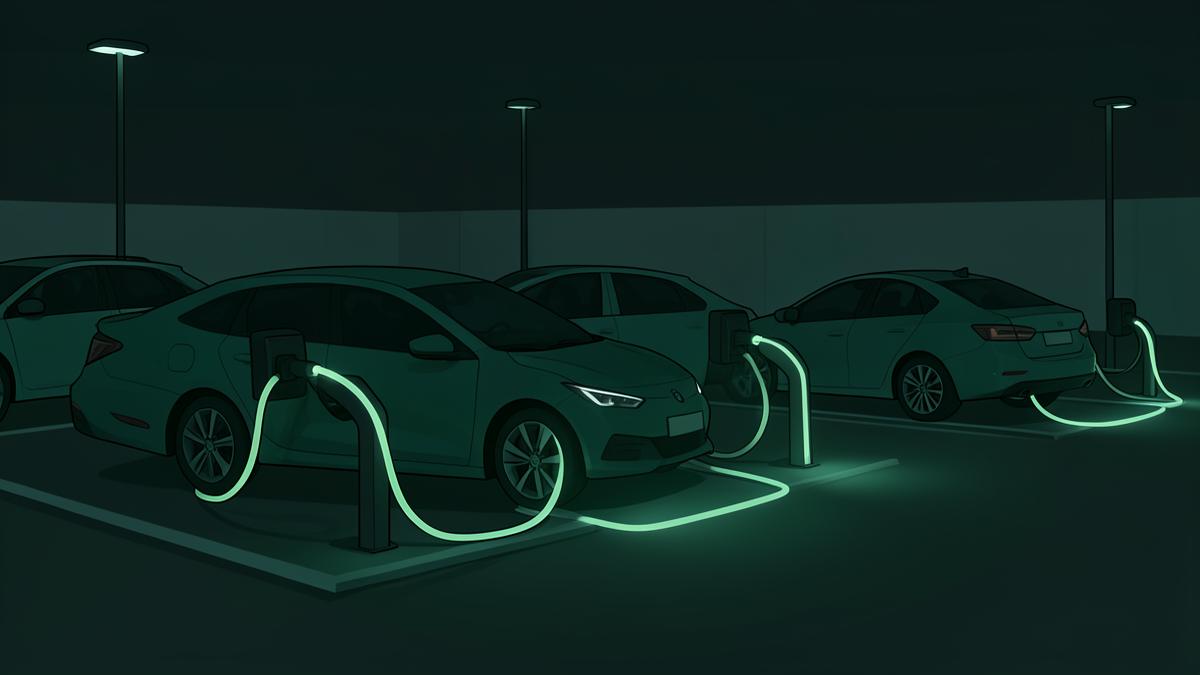
EVs can provide both upwards and downwards flexibility. For upwards: using Vehicle-to-Grid (V2G) to inject from an EV back into the grid, or stopping/reducing charging. For downwards: charging an EV to increase consumption when there is excess energy on the grid.
Distributed Energy Resources (DERs)
Distributed Energy Resources (DERs)
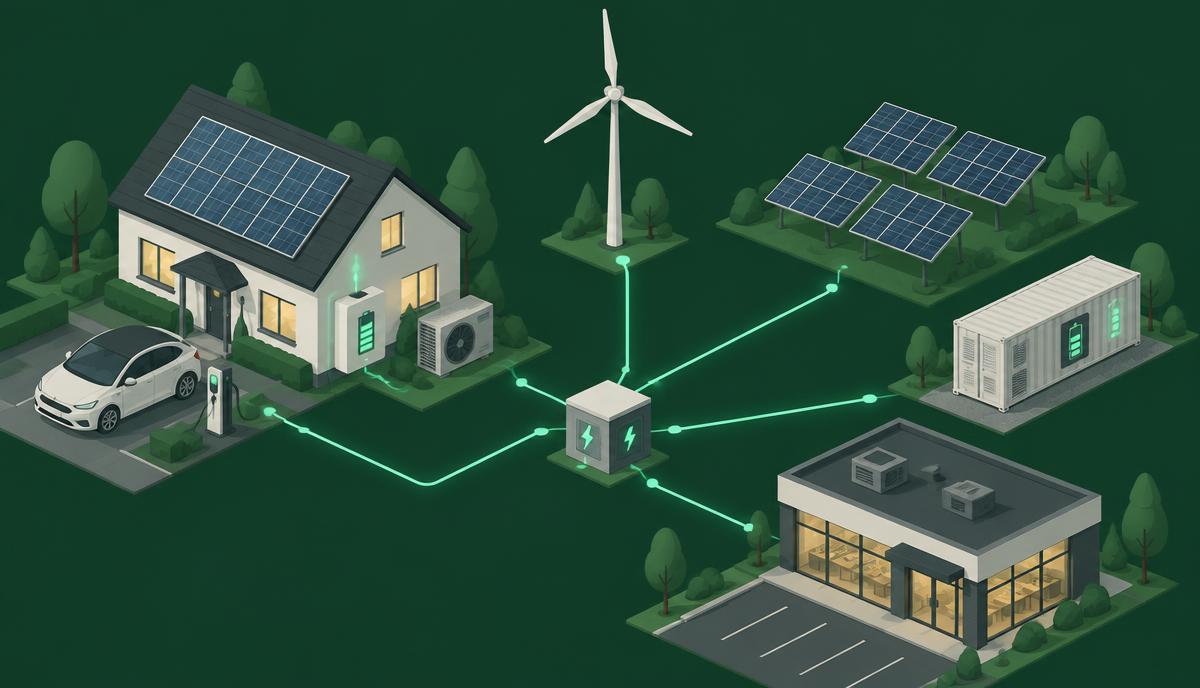
Distributed Energy Resources (DERs) are small-scale energy resources usually situated near sites of electricity use, such as rooftop solar panels, heat pumps, e-boilers, and battery storage. They are resources connected at the distribution grid, behind the main grid meter, capable of providing active power flexibility either upward, downward, or both.
What types of assets count as DERs?
DERs include demand response devices, distributed generation (solar panels), electric vehicles, battery storage systems, heat pumps, and e-boilers. Flexible loads which can modify their consumption according to external price or control set points are also considered DER.
How are DERs integrated into the electricity grid?
DERs connect to the grid at the distribution level, behind the main grid meter. Powernaut provides an API that allows resource managers to integrate their smart assets with the platform, enabling participation in flexibility markets. Resources can be connected via cloud connections or smart gateways.
What is the difference between DERs and conventional power plants?
Conventional power plants are centralized facilities that generate electricity on a massive scale in remote locations, requiring extensive high-voltage transmission lines to deliver energy one way to consumers. In contrast, Distributed Energy Resources (DERs) are small-scale, decentralized systems located at or near the point of use, enabling a flexible two-way flow of electricity where users can both pull power from and contribute energy back to the grid. By spreading generation across many local points rather than relying on a few massive hubs, DERs reduce energy loss during transport and increase overall grid resilience against large-scale failures.
How do DERs participate in energy markets?
DERs participate in energy markets primarily through aggregation, where a third-party provider or "Aggregator" bundles thousands of small-scale resources together to act as a single, massive Virtual Power Plant (VPP). By coordinating these assets, the aggregator can bid into wholesale markets to provide capacity, balance supply and demand in real-time, or offer ancillary services like frequency regulation that keep the grid stable.
What role does aggregation play for DERs?
Aggregation is crucial because individual small plants cannot provide balancing services or offer their flexibility on power exchanges. By aggregating the power of several units through a Virtual Power Plant, DERs can deliver the same services as a large central power plant and access lucrative markets. This is essential for addressing network congestion and balancing energy markets.
Distributed Energy Resources (DERs)
Battery Energy Storage System (BESS)
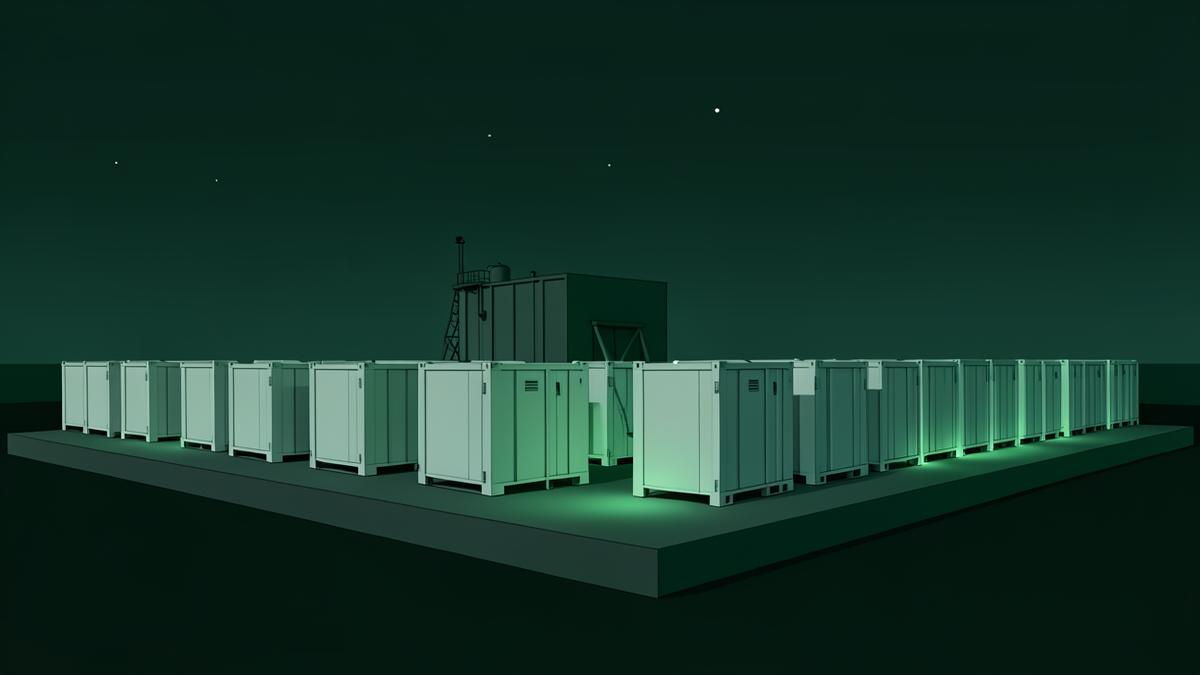
A Battery Energy Storage System (BESS) is one of the key Distributed Energy Resources which can store electricity and retrieve it later in the same form. The system tracks the fill level (State of Charge) and manages actuators that charge or discharge the battery. BESS can provide both upwards flexibility (activating to inject into the grid or stopping charging) and downwards flexibility (starting or increasing charging).
How does a BESS participate in energy markets?
Through a VPP platform like Powernaut, batteries can participate in FCR (sub-second response to frequency deviations), aFRR (automatic setpoint following), mFRR (manual dispatch), Day-Ahead, Intraday, and Imbalance markets. Each market has different complexity levels and technical requirements.
What is the difference between front-of-meter and behind-the-meter BESS?
Behind-the-meter systems are interconnected on the customer's side of the electric meter such as a residential home or a commercial building. Their main purpose is to help the property owner reduce electricity bills, store locally generated solar power for nighttime use, and provide reliable backup power during outages.
In contrast, Front-of-the-meter systems are batteries connected directly to the wider transmission or distribution grid, meaning the energy flows through a meter before reaching any specific end-user. Rather than serving a single building, these massive systems are used by utilities and grid operators to balance supply and demand across the entire region, store excess power from large wind and solar farms, and maintain overall grid stability.
Distributed Energy Resources (DERs)
State of Charge (SoC)
State of Charge (SoC) is a measure of how full an energy storage device (such as a battery) is. It represents the current fill level of the storage relative to its total capacity. The SoC is a critical parameter for assets using fill-rate based control, where the VPP must track the storage level and manage charging/discharging within upper and lower bounds.
Why does state of charge matter for battery operations?
SoC determines what flexibility a battery can offer at any given moment. A battery at low SoC cannot provide upwards flexibility (injection) but can provide downwards flexibility (charging). Delivery points with limited energy reservoirs must submit an energy management strategy to the TSO describing how SoC will be managed. Four strategies are allowed in Belgium: using SoC-supporting technical units, transfer of obligations, use of the intraday market, and asymmetric pricing.
How is state of charge managed in a VPP?
The VPP manages SoC through energy management strategies validated by the TSO. These include: using other technical units to recharge/discharge the battery, trading on the intraday market to optimize SoC (deals must be finalized at least one hour before delivery), and asymmetric pricing where bid prices are adjusted based on SoC levels to prioritize activations that restore the storage level.
Distributed Energy Resources (DERs)
Vehicle-to-Grid (V2G)
Vehicle-to-Grid (V2G) is the use of electric vehicles to inject energy back into the grid. It is one form of upwards flexibility: when there is too little energy on the grid, EVs can discharge their batteries to help meet demand. EVs can participate in flexibility markets through fill-rate based control (ISO 15118 smart charging) or power envelope based control (IEC 61851, curtail only). With V2G capability, EVs become bidirectional assets that can both charge from and inject into the grid, making them particularly valuable for ancillary services like FCR.
Distributed Energy Resources (DERs)
Solar Curtailment
Solar curtailment is a form of downwards flexibility where solar injection is reduced or stopped. When there is too much energy on the grid, curtailment decreases production to match current demand. Solar panels use power envelope based control: the VPP cannot directly control their production (which depends on sunshine), but it can ask the panels not to exceed a certain production limit. This feature is very useful for congestion management: when there is too much production for the local grid to handle, power envelope control limits the output to a manageable level.
Why is solar curtailment necessary?
Curtailment is necessary when there is too much energy on the grid, for example when there is more sun than anticipated and solar panels produce more than the grid can absorb. Without curtailment, the surplus pushes grid frequency above 50Hz and can overload the local grid.
Distributed Energy Resources (DERs)
Solar Power Forecasting
Forecasting helps resource managers properly estimate when and how to offer flexibility with their resources, which is essential for accurate baseline reporting and optimal bidding in energy markets. The baseline is the defined normal consumption/production behavior of an asset, calculated with a granularity of 15 minutes (quarter-hour). This baseline is the reference point for calculating the flexible capacity offered to the market. Flexibility is the ability to deviate from this baseline.
Distributed Energy Resources (DERs)
Prosumer and Flexumer
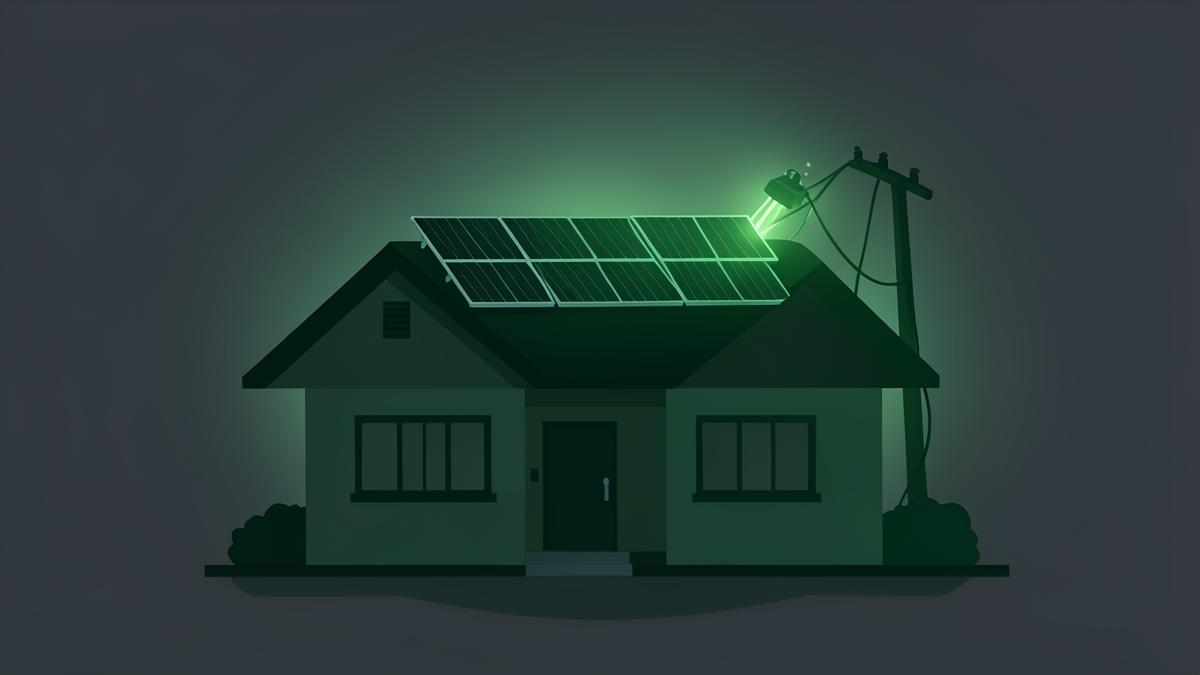
Prosumers are households or companies that both inject and take off electricity from the grid. They are consumer and producer at the same time. This role combines the consumer and producer role and suits parties providing flexibility. For example, a facility with solar panels and a flexible load both consumes electricity from the grid and injects surplus solar production back into it.
How do prosumers participate in energy markets?
Prosumers participate through aggregation. A Flexibility Service Provider (FSP) links the prosumer and their possibility to provide flexibility to markets and grid. This role emphasizes the specificities of residential DER flexibility interactions. Through a VPP, prosumer assets can be pooled to meet minimum market thresholds.
How does a VPP turn prosumers into flexibility assets?
A VPP aggregates prosumer resources (solar panels, batteries, heat pumps, EVs) into a single pool. The central intelligent system optimises when these assets produce, consume, or store energy. This allows prosumers to provide upwards and downwards flexibility to the grid, earning revenue from markets they could not access individually.
Energy Markets
Energy Markets
Wholesale markets are the place where large producers, suppliers, traders and industrial consumers trade electricity. Suppliers will resell the electricity to small end-consumers on the retail market. Power exchanges offer a trading platform on which users can buy or sell energy, ensuring transparent, reliable and anonymous price determination by matching supply and demand.
How do wholesale electricity markets work in Europe?
European markets have different rules but work on the same concepts. Power exchanges such as EPEX SPOT (central and western Europe) and Nord Pool (the Nordics and Baltics) are among the biggest, and their day-ahead auctions are coupled across Europe. Orders registered in the order book show supply and demand and determine the energy price.
What is the difference between day-ahead, intraday, and balancing markets?
The Day-Ahead market is a once-daily blind auction (order books close at 12:00 CET) for 15-minute blocks delivered the next day. The Intraday market is continuous 24h trading up to 5 minutes before delivery through quarter-hourly, half-hourly, or hourly contracts. The Imbalance/Balancing market is where BSPs offer flexibility to restore grid balance.
Who participates in wholesale energy markets?
Participants include large producers, suppliers, traders, industrial consumers, Balancing Responsible Parties (BRPs), and Balancing Service Providers (BSPs). Market operators provide platforms where offers to sell electricity or flexibility are matched with bids to buy.
How do distributed energy resources access wholesale markets?
DERs access wholesale markets through aggregation. An aggregator combines several decentralised units in one portfolio, then operates it in a coordinated manner via a VPP. This gives access to markets that individual units cannot enter because they do not meet minimum bid sizes or their generation profile varies too strongly.
Energy Markets
Day-Ahead Market
The Day-Ahead Market (DAM) is the power exchange market organised the day before actual delivery of the energy commodity. In Belgium the day-ahead market is run by EPEX SPOT Belgium (formerly Belpex). Demand and supply bids can be made until 12:00 CET. The market is then cleared, meaning that the clearing price and volumes are determined. Since 1 October 2025, trading volumes are on a 15-minute basis in all European bidding zones, replacing the previous hourly blocks.
How does day-ahead trading work?
It takes place once a day and is operated through a blind auction. The order books close at 12:00 CET. Users submit their willingness to buy or sell, in volume, for all price ticks between the minimum and maximum prices. The price is determined for each 15-minute market time unit by matching supply and demand, resulting in the Market Clearing Price (MCP). All orders have to be fulfilled at the MCP. Buyers and sellers are not matched 1-to-1; only total volume is matched.
How are day-ahead prices determined?
The market operator aggregates all supply and demand bids to form the supply and demand curves, then clears the market. The intersection of supply and demand gives the clearing price and clearing volumes. This is based on the merit order curve, which ranks bids of different electricity generation technologies according to price.
How do VPPs participate in the day-ahead market?
VPPs participate through power scheduling systems and consumption forecasting. The Day-Ahead market on Powernaut is rated as basic complexity (●●○○○), making it suitable for predictable flexibility from aggregated DER portfolios.
Energy Markets
Intraday Market
The Continuous Intraday Market (CIM) is the power exchange market on the day of delivery. Quarter-hourly, half-hourly and hourly contracts can be traded up to five minutes before actual delivery within the same bidding zone (60 minutes for cross-border trades). In Belgium the CIM is organised by EPEX SPOT Belgium (formerly Belpex).
How does intraday trading differ from day-ahead?
The Day-Ahead market is a once-daily blind auction for 15-minute blocks, while the Intraday market is continuous 24h one-to-one same-day trading through quarter-hourly, half-hourly, or hourly contracts up to 5 minutes before delivery. Day-Ahead determines a single clearing price; Intraday uses continuous order matching.
Why is the intraday market important for renewables?
The intraday market fulfills the need to balance positions and adjust to unexpected generation or usage changes. It is especially needed for balancing the price of highly fluctuating renewable energies, where actual generation may differ from day-ahead forecasts.
How do VPPs trade on the intraday market?
VPPs trade on the intraday market using real-time power monitoring and dynamic scheduling systems. On Powernaut, this market is rated as basic complexity (●●○○○), allowing resources to optimise their position closer to real-time delivery.
What is continuous intraday trading?
Continuous intraday trading means trades happen 24 hours a day on a one-to-one basis (buyer matched directly to seller), as opposed to the day-ahead auction model. Trades can occur through quarter-hourly, half-hourly, or hourly contracts up to five minutes before actual delivery.
Energy Markets
Balancing Group
Each access point has to be assigned to the balancing group (also called balancing perimeter) of a Balancing Responsible Party (BRP). The BRP is responsible for quarter-hourly balance between total injections and total off-takes across all assigned access points, trades on power markets, cross-border import/export, and power exchanges with other BRPs.
How does a balancing responsible party (BRP) manage a balancing group?
The BRP manages its balancing group by nominating its intended position (injection and offtake) across its entire portfolio to the TSO. This net position comprises planned electricity generation, consumption, and imports/exports, and must generally be balanced (generation + imports = consumption + exports). The most common type is the DA nomination: after the DA market clears, BRPs determine their generation and consumption schedules, nominating the result to the TSO. BRPs can also submit intraday (ID) nominations to adjust their positions closer to real-time based on updated information.
What happens when a balancing group is out of balance?
Deviations between a BRP's final nomination and actual physical flows result in imbalance charges. The imbalance tariff mechanism incentivises BRPs to aim for keeping balance. For each quarter of an hour, an imbalance price is determined based on the costs the TSO incurs to activate reserves.
How do aggregators interact with balancing groups?
A BSP (Balancing Service Provider) offers the flexibility of a unit or load in the reserve market to the TSO. The BSP can but should not necessarily be the BRP to which the flexible installation is assigned. This means aggregators can provide flexibility from assets within different BRP perimeters.
Energy Markets
Marginal Pricing and Pay-as-Clear
In power exchange markets, the market operator aggregates all supply and demand bids to form supply and demand curves, then clears the market. The intersection gives the clearing price and clearing volumes. The merit order curve ranks bids according to price, reflecting marginal costs of generation. The inframarginal rent is the difference between the clearing price and the marginal cost of a generation unit.
How does the pay-as-clear mechanism work?
In the Day-Ahead market, all orders have to be fulfilled at the Market Clearing Price (MCP). Buyers and sellers are not matched 1-to-1; only total volume is matched. Every successful seller receives the clearing price regardless of their original bid price, which creates inframarginal rents for lower-cost generators.
What is the difference between pay-as-clear and pay-as-bid?
In pay-as-clear, all accepted bids receive the same market clearing price regardless of their original bid. This is used in the Day-Ahead market. In pay-as-bid, each accepted bid receives exactly the price they bid. In Belgium, aFRR balancing energy has been remunerated pay-as-clear since Elia connected to the European PICASSO platform on 26 November 2024; before that it ran on pay-as-bid. aFRR capacity is still procured pay-as-bid.
How does marginal pricing affect renewable energy revenues?
The inframarginal rent is the difference between the market clearing price and the marginal cost of a generation unit. Since renewables have near-zero marginal costs, they benefit from inframarginal rents when the clearing price is set by higher-cost generators. However, as more renewables enter the market, they push down the clearing price.
Balancing Markets and Redispatch
Balancing Markets
The imbalance/balancing market is operated and facilitated by the TSO (e.g., Elia in Belgium), with the TSO being the only requesting party. Other parties can only offer flexibility to the TSO. All parties with at least 1 MW of (aggregated) flexible power can participate. Contributors can gather multiple energy assets into a Virtual Power Plant (VPP).
How do balancing markets maintain grid frequency?
The grid frequency needs to stay stable at 50Hz. When imbalances occur, three phases of reserves are activated in sequence: Phase 1 (FCR/R1) reaches full activation at a deviation of 200mHz within 30 seconds, automatically. Phase 2 (aFRR/R2) is fully activated within 5 minutes using BSPs and extra energy generation. Phase 3 (mFRR/R3) activates within 15 minutes through manual activation.
What is the difference between balancing and wholesale markets?
Wholesale markets (Day-Ahead, Intraday) are operated by power exchanges where participants trade freely. The balancing market is operated by the TSO, which is the only buyer of flexibility, used to maintain real-time grid balance. Wholesale trading is voluntary; balancing is a system necessity.
How do VPPs participate in balancing markets?
VPPs participate as Balancing Service Providers (BSPs), offering the flexibility of aggregated units to the TSO. The VPP provides capacity (keeping assets ready) and activation (delivering energy when called upon). The order of purchase is determined by the merit order principle, picking in ascending order of the cheapest marginal cost.
What are the balancing market products (FCR, aFRR, mFRR)?
FCR (R1): Frequency Containment Reserve, kicks in automatically within 30 seconds after deviation from 50Hz. aFRR (R2): Automatic Frequency Restoration Reserve, controlled centrally to restore frequency, active in 30 seconds to 15 minutes. mFRR (R3): Manual Frequency Restoration Reserve, meant to free up R2 reserves, activated locally within 15 minutes.
What is the difference between positive and negative balancing energy?
Grid frequency can deviate in two directions. Positive balancing energy feeds additional power into the grid to counteract a drop in frequency (when there is too little supply or too much demand). Negative balancing energy reduces the amount of power in the grid so that an increased frequency returns to 50Hz (when there is too much supply or too little demand). This corresponds to upwards flexibility (positive) and downwards flexibility (negative).
How does prequalification for balancing markets work?
Prequalification is a multi-step process: (1) Open qualification with sworn statement and proof of financial situation, (2) Private measurement commissioning test, (3) Communication test, (4) Baseline test where the quality factor must exceed 95%, and (5) A prequalification test to determine maximum up and down volumes. Every delivery point must pass the prequalification test every 5 years. Delivery points with limited energy reservoirs (such as batteries) must also submit and validate an energy management strategy.
Balancing Markets and Redispatch
Imbalance Markets
The imbalance is the financial/physical difference between a BRP's final nomination and their actual physical flows (injection vs. off-take). Balancing Energy is used to compensate for this difference. The imbalance market is where the TSO procures this balancing energy from BSPs. Imbalance tariffs are the mechanism the TSO uses to incentivise BRPs to keep balance within their balancing group. The Imbalance Settlement Period (ISP) is typically 15 minutes.
How are imbalance prices calculated?
For each quarter of an hour, an imbalance price is determined taking into account the costs the TSO (e.g. Elia) has for activation of reserves to restore the balance of the system. The Marginal Incremental Price (MIP) is the price of the last activated upward regulation reserve bid, and the Marginal Decremental Price (MDP) is the price of the last activated downward regulation bid.
What is the difference between imbalance settlement and balancing markets?
The Imbalance Settlement Period (ISP) is the specific time frame used to calculate and settle imbalances. The balancing market is where the TSO procures the energy to resolve those imbalances. Imbalance tariffs incentivise BRPs to keep their balancing group in balance.
How do energy suppliers manage imbalance risk?
Each access point must be assigned to a Balancing Responsible Party (BRP). The BRP is responsible for quarter-hourly balance between total injections and total off-takes. After the Day-Ahead market clears, BRPs nominate their position to the TSO and can submit intraday nominations to adjust closer to real-time. Deviations result in imbalance charges.
How does a VPP reduce imbalance costs?
A VPP helps energy suppliers optimise their customer portfolio's energy supply, matching supply with demand even at the last minute before delivery. By providing automated steering and balancing capabilities across aggregated assets, the VPP reduces the gap between nominated positions and actual physical flows.
Balancing Markets and Redispatch
Ancillary Services
Ancillary services are all actions of grid users that help the grid operator (e.g. Elia) maintain the balance on the transmission grid. The most important ancillary services are reserve products (R1/FCR, R2/aFRR, R3/mFRR), voltage regulation, and black-start capability.
Why are ancillary services important for grid stability?
The grid frequency needs to stay stable at 50Hz for the system to stay up and running, and production and consumption must remain balanced. Ancillary services provide the mechanism to restore balance when deviations occur, through a sequence of increasingly powerful interventions (FCR within seconds, aFRR within minutes, mFRR within 15 minutes).
What types of ancillary services exist?
The main types are: FCR/R1 (Frequency Containment Reserve, automatic, within 30 seconds), aFRR/R2 (Automatic Frequency Restoration Reserve, within 5 minutes), mFRR/R3 (Manual Frequency Restoration Reserve, within 15 minutes), voltage regulation, and black-start capability.
How can distributed energy resources provide ancillary services?
DERs provide ancillary services through aggregation into a VPP. All parties with at least 1 MW of (aggregated) flexible power can participate. The VPP's central control system manages the portfolio to meet the technical requirements of each market (sub-second control for FCR, automatic setpoint following for aFRR, manual dispatch for mFRR).
How do VPPs participate in ancillary service markets?
VPPs participate as Balancing Service Providers (BSPs), offering the flexibility of aggregated units to the TSO. Powernaut enables participation in FCR (highest complexity ●●●●●), aFRR (●●●●●), and mFRR (●●●●○) across EU-wide and country-specific markets.
What revenues do ancillary services generate?
There are two types of remuneration: the capacity remuneration (fee to keep capacity available, regardless of whether activation occurs) and the activation remuneration (payment to actually buy the energy for aFRR and mFRR imbalances). The order of purchase is determined by the merit order principle.
Who provides ancillary services?
Ancillary services are provided by Balancing Service Providers (BSPs), which can be individual large generators or aggregators combining multiple smaller units. The BSP can but does not necessarily need to be the BRP to which the flexible installation is assigned.
How are ancillary services procured?
The TSO (e.g. Elia in Belgium) is the only requesting party in the imbalance market. BSPs offer their flexibility to the TSO, and the order of purchase is determined by the merit order principle, picking in ascending order of the cheapest marginal cost.
What is the difference between ancillary services and balancing energy?
Ancillary services are all actions of grid users that help the TSO maintain balance on the transmission grid, including reserve products (FCR, aFRR, mFRR), voltage regulation, and black-start capability. Balancing energy is the actual energy activated to compensate for the difference (imbalance) between nominated and actual power flows. Ancillary services are the broader category of grid stability services, while balancing energy is the specific energy delivered when reserves are activated.
What is black start capability?
Black-start capability is an ancillary service that enables power plants to start up autonomously, without external energy supply, after a grid blackout. It is one of the most important ancillary services alongside reserve products (FCR, aFRR, mFRR) and voltage regulation.
Balancing Markets and Redispatch
Frequency Containment Reserve (FCR)
FCR (also called R1 or primary reserves) kicks in automatically in a matter of seconds after the deviation from the reference frequency (50Hz in Europe). Its aim is to contain the deviation to avoid system collapse. It is the fastest and most demanding market.
How does FCR stabilize grid frequency?
FCR responds proportionally to frequency deviations and reaches full activation at a deviation of 200mHz from 50Hz within 30 seconds, without any request from the TSO. Assets respond to grid frequency changes with sub-second control loops and real-time power adjustments to contain the frequency deviation.
What are the technical requirements for FCR?
FCR requires automatic frequency monitoring, sub-second control loops, and real-time power adjustments. On Powernaut, this market is rated at the highest complexity level (●●●●●) due to these stringent requirements.
Which assets can provide FCR?
Batteries are particularly well-suited for FCR due to their fast response times. Any DER aggregated through a VPP that can meet the automatic response requirements and contribute to the minimum 1 MW threshold can participate.
How do batteries and VPPs deliver FCR?
Through a VPP, batteries provide automatic frequency monitoring and sub-second power adjustments. The VPP's central control system coordinates the response across all aggregated assets to meet the TSO's requirements for frequency containment.
Balancing Markets and Redispatch
aFRR (Automatic Frequency Restoration Reserve)
aFRR (also called R2 or secondary reserves) are reserves controlled centrally by the TSO to restore the frequency back to its reference value. The reserves are active in a time frame of 30 seconds to 15 minutes. It is the second line of defense for grid stability. In Belgium, the aFRR market was opened to aggregated assets in 2020, with capacity in the order of 145 MW contracted in each direction; the exact volume is set per auction. Both aFRR-up and aFRR-down products exist. There are two types of auctions: the daily capacity auction (moved from D-2 to D-1 when Elia connected to PICASSO) and the M-25 balancing auction (energy bids submitted up to 25 minutes before the concerned quarter-hour).
How does aFRR differ from FCR?
FCR (R1) is automatic and activates within seconds to contain the deviation. aFRR (R2) is centrally controlled by the TSO and is fully activated within 5 minutes to restore the frequency back to its reference value. FCR contains; aFRR restores.
What are the activation and response time requirements for aFRR?
In Belgium, aFRR must be fully activated within 5 minutes, reduced from 7.5 minutes on 4 December 2024. It requires automatic setpoint following, real-time telemetry, and continuous signal processing. The aFRR product is activated automatically by the TSO's SCADA system, sending a set-point every four seconds. On Powernaut, this is rated as highly complex (●●●●●).
How do VPPs qualify for aFRR markets?
VPPs qualify through a multi-step process: (1) Open Qualification with sworn statement and proof of financial situation, (2) Private measurement commissioning test, (3) Communication test, (4) Baseline test (quality factor must exceed 95%), and (5) Prequalification test to determine max up and down volumes. Every delivery point must pass the prequalification test every 5 years. The minimum offered volume is 1 MW with 1 MW granularity. Elia performs at least one availability test per year.
What revenues can aFRR generate for flexibility assets?
aFRR generates revenue through both capacity remuneration (in euro/MW/h, paid for keeping capacity available during each 4-hour Capacity Contracting Time Unit) and activation remuneration (in euro/MWh, paid for delivered energy when activated). The capacity auction uses bids ranked by merit order principle, while energy bids have a gate closure time of 25 minutes before the concerned ISP. In Belgium, aFRR energy has been remunerated pay-as-clear since Elia connected to the PICASSO platform on 26 November 2024; capacity is still procured pay-as-bid.
Balancing Markets and Redispatch
mFRR (Manual Frequency Restoration Reserve)
mFRR (also called R3 or tertiary reserves) is meant to free up the R2/aFRR reserves after the frequency has been restored. They are controlled manually and activated locally. They are important to solve significant imbalance and congestion problems, active in a time range from minutes to hours. R3 needs to be fully activated within 15 minutes.
How does mFRR differ from aFRR?
aFRR (R2) is automatically controlled centrally to restore frequency. mFRR (R3) is manually activated and controlled locally, meant to replace the aFRR reserves after frequency is restored. aFRR activates within 7.5 minutes; mFRR within 15 minutes.
When is mFRR activated?
mFRR is activated in Phase 3 of frequency restoration, within 15 minutes. It is used to resolve significant imbalance and congestion problems through manual activation of exchanges and/or activating generators and deactivating consumers.
What are the prequalification requirements for mFRR?
Similar to aFRR, mFRR participation requires a valid BSP contract with the TSO, passing communication and baseline tests, and a prequalification test. The minimum aggregated volume is 1 MW. Delivery points with limited energy reservoirs need validated energy management strategies. mFRR must be fully activated within 15 minutes.
How do aggregators and VPPs deliver mFRR?
Aggregators and VPPs deliver mFRR through manual dispatch systems and real-time power monitoring. The VPP coordinates the manual activation across its portfolio of DERs to deliver the required flexibility to the TSO. On Powernaut, mFRR is rated at ●●●●○ complexity.
Balancing Markets and Redispatch
GOPACS
GOPACS (Grid Operators Platform for Congestion Solutions) is the Dutch platform where the transmission operator TenneT and the regional distribution operators jointly solve congestion on the electricity grid. Instead of each operator acting on its own, they publish congestion problems on one shared platform and buy flexibility from market parties to relieve the overloaded part of the grid.
How does GOPACS work?
When a grid operator expects an overload, it posts the problem on GOPACS. Market parties with flexible assets place orders in a connected intraday market (such as ETPA or EPEX SPOT). GOPACS matches two opposite orders: one party reduces feed-in or consumption inside the congested area, and another party does the opposite outside the area. Because the two trades cancel each other out in volume, the national balance stays untouched while the local overload is relieved. The grid operators pay the price difference between the two matched orders.
Why does GOPACS pair two opposite orders?
A congestion problem is local, but the balance of the whole system must stay intact. By always matching a reduction inside the congested area with an equal increase outside it, GOPACS relieves the local bottleneck without creating a new imbalance for the TSO to solve.
Who can participate in GOPACS?
Any market party with controllable flexibility that is active on a connected intraday trading platform can participate: aggregators and virtual power plants, battery operators, large industrial consumers, EV charging operators and generators. Assets are usually offered through an aggregator so that smaller units can reach the required order sizes.
How is GOPACS different from redispatch and balancing markets?
Balancing markets (FCR, aFRR, mFRR) exist to keep the system frequency at 50 Hz across the whole control area. GOPACS instead solves location-specific grid limits: the issue is not too little or too much power nationally, but too much power flowing through one line or substation. It is effectively a market-based redispatch mechanism organised across transmission and distribution level at the same time.
What does GOPACS mean for flexible assets?
It adds a congestion revenue stream on top of day-ahead, intraday and balancing income. An asset that can shift consumption or feed-in on short notice in a congested region can be paid for doing so, and that value can be stacked with other markets as long as the asset is not already committed elsewhere at the same moment.
Revenue Models and Trading
Revenue Models and Trading
Flexibility providers unlock new revenue streams by participating in energy markets. Revenue comes from two main mechanisms: capacity remuneration (fee to keep capacity available) and activation remuneration (payment for delivered energy). Assets can participate across multiple markets through a VPP.
How do energy retailers create new revenue streams from DERs?
By connecting DERs to a VPP platform like Powernaut, energy retailers can participate in day-ahead trading, intraday trading, imbalance market, and ancillary services (FCR, aFRR, mFRR). The VPP turns scattered flexible assets into a manageable entity for the trading desk.
Which revenue streams can be stacked?
Revenue streams that can be stacked include: FCR, aFRR, mFRR (ancillary services), Day-Ahead market trading, Intraday market trading, Imbalance market participation, and Local Congestion market participation. Each has different complexity levels and technical requirements, allowing assets to participate in multiple markets.
Grid Infrastructure and Actors
Grid Infrastructure and Actors
Electricity is distributed over the network (mostly low voltage) via Distribution System Operators (DSOs). The high voltage transmission is handled by Transmission System Operators (TSOs), such as Elia in Belgium. Both fall under the umbrella of System Operators (SO). Trading platforms like EPEX and NORDPOOL provide trading services.
Who are the key actors in grid operations?
Key actors include: TSOs (responsible for transmission grid), DSOs (responsible for distribution grid), BRPs (responsible for balancing their perimeter), BSPs (offering flexibility to TSOs), aggregators, market operators, prosumers, Flexibility Service Providers (FSPs), and Congestion Service Providers (CSPs).
How does the grid accommodate distributed energy resources?
DERs connect at the distribution grid behind the main grid meter. Through aggregation into VPPs, they can participate in markets that require minimum thresholds (1 MW). The FSP role links prosumers and their flexibility to market and grid roles.
Grid Infrastructure and Actors
Grid Operator (TSO and DSO)
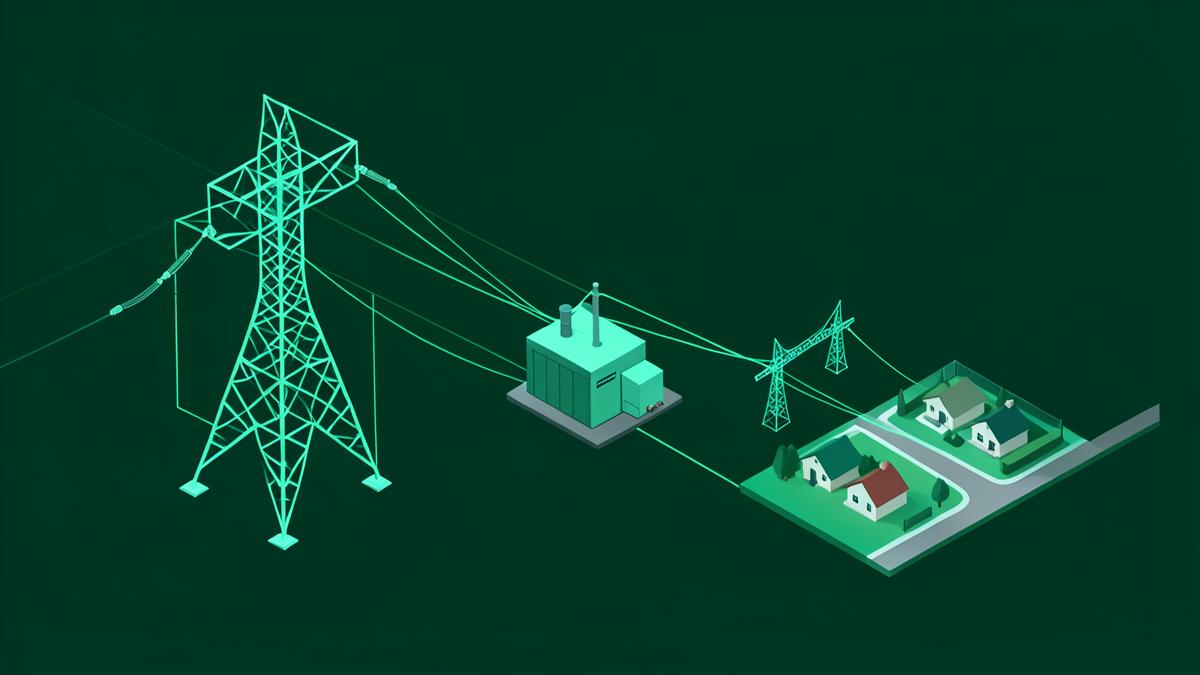
A grid operator is responsible for operating, ensuring the maintenance of, and developing the electricity transmission or distribution system in a given area. There are two types: Transmission System Operators (TSOs) and Distribution System Operators (DSOs).
What is the difference between a TSO and a DSO?
A TSO is responsible for the high-voltage transmission system, its interconnections with other systems, and ensuring long-term transmission capacity. A DSO is responsible for the lower-voltage distribution system. In Belgium, Elia is the TSO while Fluvius, Sibelga, RESA, and others serve as DSOs.
How do TSOs and DSOs procure flexibility?
TSOs procure flexibility through the balancing market, where BSPs offer reserve capacity (FCR, aFRR, mFRR). DSOs can procure flexibility through local congestion markets. In the Netherlands, this happens through the GOPACS platform, where Congestion Service Providers submit location-specific redispatch bids.
How do VPPs and aggregators interact with grid operators?
VPPs and aggregators act as Balancing Service Providers (BSPs), offering flexibility to TSOs. They can also act as Congestion Service Providers (CSPs), submitting redispatch bids to DSOs/TSOs through platforms like GOPACS. The VPP coordinates the response of its portfolio to meet grid operator requirements.
Grid Infrastructure and Actors
Grid Connection Point
An access point (also called head point or connection point) is the physical location in the transmission and distribution grid where electricity can be taken off and/or injected. Each access point is identified by a single EAN number representing off-take. Each access point must be assigned to a BRP's balancing group. At low voltage, the identification of a delivery point is always coupled to the head meter of the connection point. Each country has different identifiers for connection points.
Why does the grid connection point matter for DER assets?
Every DER must be connected at a grid connection point. The connection point determines which BRP perimeter the asset belongs to and which DSO area it is in. For congestion management, bids are location-specific, deployed to relieve congestion at specific grid points.
Grid Infrastructure and Actors
Congestion Management
A Congestion Service Provider (CSP) offers congestion management services to the TSO or DSOs. After prequalification, the CSP submits redispatch bids on behalf of connections in its portfolio. Unlike balancing services, congestion management bids are location-specific, deployed to relieve congestion at specific points in the grid.
How do local flexibility markets solve congestion?
DSO-led flexibility markets like GOPACS in the Netherlands allow Congestion Service Providers to submit location-based bids to alleviate grid congestion at local levels. Powernaut enables participation in local congestion markets at moderate complexity (●●●○○).
How can DERs and VPPs participate in congestion management?
VPPs can act as Congestion Service Providers (CSPs), submitting location-specific redispatch bids on behalf of their portfolio. Through platforms like GOPACS in the Netherlands, aggregated DERs can provide local flexibility to relieve grid congestion.
Grid Infrastructure and Actors
Smart Meter

Automatic Meter Reading (AMR) measures an end user's consumption remotely on an hourly basis. With SMR3 (Smart Meter Regime 3), hourly registered consumption comes with a data transmission rate every minute, enabling near-real-time monitoring.
How does smart metering enable energy flexibility?
Smart metering provides the measurement data needed for flexibility. Baselines (normal consumption/production behaviour) are derived from meter data. Deviations from baselines are what create flexibility value in the market.
What data does a smart meter provide?
Smart meters provide hourly consumption readings (AMR) and, with SMR3, consumption data at minute-level frequency. This data feeds into baseline calculations and verification of flexibility delivery.
Energy Management Systems
Energy Management System (EMS)
A Local Energy Management System allows the optimal scheduling and dispatch of DERs located behind a single grid connection point according to grid congestions, dynamic prices, and renewable production availability. Local EMS types include Home Energy Management Systems (HEMS) for households and Building Energy Management Systems (BEMS) for commercial and industrial buildings.
What is the difference between an EMS and a VPP?
An EMS manages DERs behind a single grid connection point. A VPP aggregates multiple sites and their DERs into a single portfolio for coordinated market participation. The EMS optimizes locally; the VPP optimizes across the portfolio and trades on behalf of aggregated assets.
How does an EMS integrate with a VPP platform?
Powernaut integrates with independent EMS providers through its API. Resource managers using an EMS can connect their smart assets to the Powernaut platform, enabling the VPP to send flexibility activation signals while the EMS handles local dispatch.
Energy Management Systems
Home Energy Management System (HEMS)
A HEMS is a type of local energy management system for residential settings. It enables optimal scheduling and dispatch of household DERs (solar panels, batteries, heat pumps, EV chargers) behind a single grid connection point.
What is the difference between a HEMS and a VPP?
A HEMS manages DERs within a single household. A VPP aggregates many households (and their HEMS) into a coordinated portfolio to participate in energy markets. The HEMS optimizes local energy use; the VPP enables market access for the aggregated flexibility.
How do HEMS devices connect to aggregator platforms?
HEMS connect to the Powernaut platform through cloud connections or smart gateways. Powernaut provides integrations with leading manufacturers of smart energy devices and independent EMS providers.
Pricing and Tariff Models
Pricing and Tariff Models
Two mechanisms incentivize flexibility: explicit flexibility involves direct, active participation in the market by consumers or aggregators with financial rewards. Implicit flexibility refers to passive responses to price signals sent through dynamic tariffs, where consumers adjust usage based on real-time or near-real-time price changes.
Pricing and Tariff Models
Dynamic Electricity Pricing
Dynamic pricing relates to implicit flexibility, where consumers respond passively to price signals through dynamic tariffs. Consumers adjust their energy usage automatically based on real-time or near-real-time price changes without explicit market participation.
What is the connection between dynamic pricing and flexibility?
Dynamic pricing creates implicit flexibility: passive responses to price signals that adjust consumer behaviour without explicit market participation. This contrasts with explicit flexibility, which involves direct market participation and financial rewards through aggregators and VPPs.